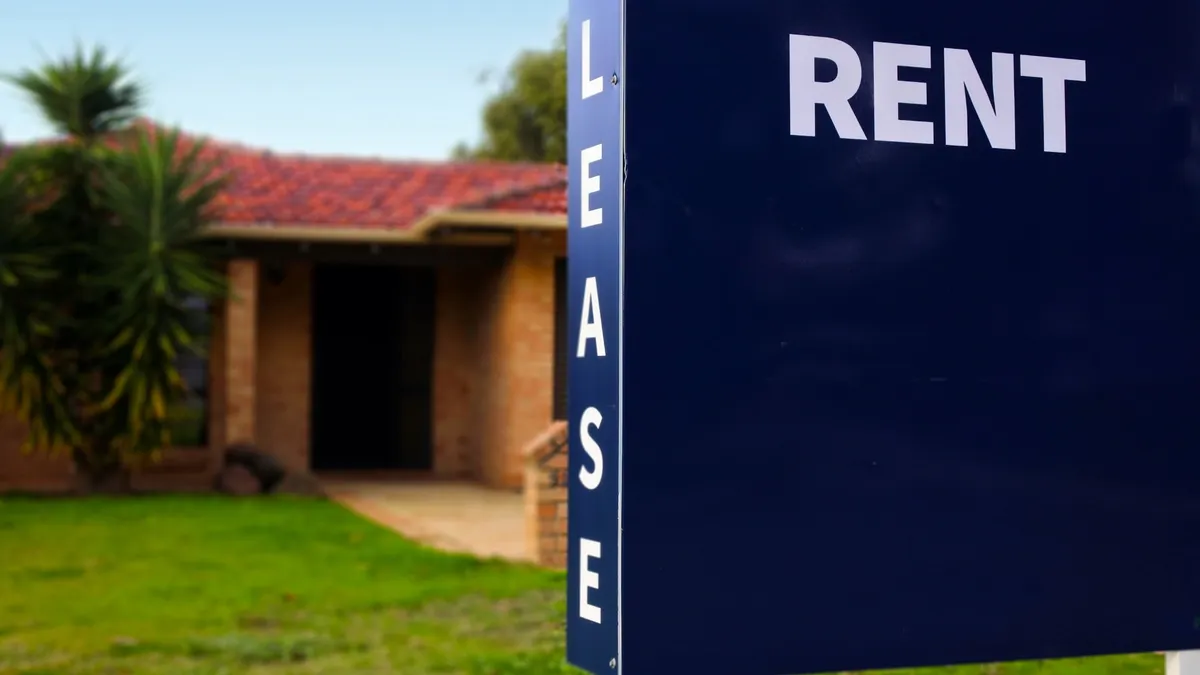
Should you sell an investment property that's made you wealthy?
What if one of the best investments you've ever made is now holding you back from the life you want?
You've owned an investment property for 15 years. Its value has more than doubled, the rent has increased, and you've built substantial equity.
By almost any measure, it's been a successful investment.
So why would you consider selling it?
Because an investment that helped you build wealth in your 30s and 40s may not necessarily be the best one to hold as you approach retirement.
And deciding whether to keep or sell isn't simply about predicting where property prices are heading.
A successful investment, but changing priorities
Consider a hypothetical couple, aged 53 and 51.
They bought an investment property 15 years ago for $650,000. Today, it's worth approximately $1.5 million, with a remaining loan of $350,000.
That's $1.15 million in equity.
But their circumstances have changed.
Their children are becoming independent, and one partner would love to reduce their working hours within the next few years.
They also have a $600,000 mortgage on their family home.
While the investment property generates rent, there's relatively little left after interest, maintenance, rates, insurance and other expenses.
They're wondering whether selling the property, reducing their debt and investing the remaining proceeds elsewhere might help them work less sooner.
But they're hesitant.
What if they sell at the wrong time? What about capital gains tax? Would selling mean giving up an investment that's served them so well?
These are reasonable concerns. Here's how I'd approach the decision.
1. If you didn't already own it, would you buy it today?
This is one of my favourite questions when reviewing an existing investment.
Imagine our couple wasn't already committed to this property.
Would they choose to invest in it today?
Or would they consider reducing their home mortgage, diversifying their investments or building a portfolio to support an earlier retirement?
The answer might still be to buy the property.
But the question helps separate how well an investment has performed in the past from whether it's the best use of your money going forward.
It's natural to become attached to investments that have rewarded our patience. Yet past success alone isn't a reason to keep holding them.
2. What is the property actually contributing?
Our couple has $1.15 million tied up in property equity.
But what is that equity doing for them?
We'd examine the rental income after interest, management fees, maintenance, insurance and other costs, including provision for major repairs and vacancies.
We'd also consider future capital growth potential and the risks involved.
The distinction matters because capital growth, rental income and spendable cashflow are not the same thing.
If their priority were maximising long-term wealth, continuing to hold the property might make sense.
But if they want to reduce working hours in three years, cashflow, debt and access to capital become increasingly important.
The property hasn't necessarily changed. What they need from it has.
3. What could selling make possible?
This is where the decision gets interesting.
The couple has $1.15 million in equity, but selling wouldn't put that entire amount in their bank account.
They'd need to repay the investment loan and allow for selling expenses and capital gains tax.
Let's assume, purely for illustration, that they'd have $850,000 remaining after those costs.
They could use $600,000 to eliminate their home mortgage, leaving $250,000 to invest or put towards their future needs.
Suddenly, their financial position looks quite different.
They'd lose the rental income and future growth potential of the property. But they'd also remove the home mortgage interest, reduce their debt and have capital available outside property.
Could that allow one partner to work fewer days?
Possibly. But we'd need to examine the numbers rather than assume that reducing debt automatically makes them better off.
The value of selling isn't simply the money you receive. It's what that money could make possible.
4. How would we compare the options?
This is where financial planning becomes particularly valuable.
Rather than debating whether property or shares will perform better, I'd model several realistic scenarios.
Scenario 1 — Keep the property
Continue receiving rent, servicing the loans and benefiting from potential future capital growth. What does their cashflow look like if one partner reduces their working hours?
Scenario 2 — Sell now
Pay capital gains tax and selling costs, eliminate the home mortgage and invest the remaining proceeds. How does this affect their cashflow, retirement timing and long-term wealth?
Scenario 3 — Sell in five years
Keep the property for now, then sell closer to retirement. Does the potential additional growth justify carrying the debt and commitments for longer?
For each scenario, we'd compare:
How soon one partner could afford to reduce their working hours.
Their expected income, spending and debt commitments.
Their projected wealth and financial position in retirement.
How resilient the plan would be if property values, investment returns or other assumptions were less favourable.
We'd also account for the tax consequences and the income and potential growth they'd give up by selling.
The purpose of modelling isn't to predict which investment will perform best. It's to understand how different decisions could affect the couple's financial future.
They might discover that keeping the property creates greater long-term wealth but requires them to work longer.
Or selling might allow them to reduce their hours earlier, even if it leaves them with less wealth later.
Neither outcome is automatically better.
What matters is understanding the trade-off and making an informed choice.
5. What matters most at this stage of life?
There's another consideration that numbers alone can't resolve.
Some people feel secure owning property. Others feel more comfortable with less debt, fewer responsibilities and greater access to their money.
Our couple may decide that the prospect of working less in their mid-50s is worth more to them than the possibility of accumulating additional wealth.
Or they may prefer to keep the property and continue working for a few more years.
Both are reasonable choices.
The important thing is that the decision reflects their current priorities, rather than simply continuing a strategy they adopted 15 years ago.
A good investment isn't necessarily one you should keep forever
Our hypothetical couple has made a substantial gain from their investment property.
Nothing about considering a sale takes away from that success.
But as their circumstances change, it's worth asking whether the property still serves the purpose they need it to.
They may ultimately keep it. They may sell it. Or they may find another way to achieve their goals.
The mistake would be assuming that because an investment has been successful, keeping it must always be the right decision.
After all, the purpose of building wealth isn't simply to accumulate more assets.
It's to give yourself more choices about how you live.
The Bigger Financial Picture explores the decisions, trade-offs and strategies that shape our financial lives. At Maslow Wealth, we help people bring those pieces together so they can make better decisions with greater confidence.
This is a hypothetical example for general education, not personal financial advice. Actual tax outcomes and investment decisions depend on individual circumstances.
